
Tree roots do not stop at the edge of your yard. They spread fast and chase water in weak sewer lines. That can lead to slow drains, soggy spots, and extra stress around older pipes. A tree company can help with the tree side of the problem, even though a plumber handles the pipe itself.
A trusted tree service in Jackson MI can remove a problem tree, trim heavy limbs, or grind a stump after removal. That work can lower future root pressure near the line and help keep your yard safer, cleaner, and easier to manage over time.
Signs Roots May Be Causing Trouble Near the Sewer Line
Slow Drains and Bad Odors
Slow drains often show up first. Water may sit in sinks, tubs, or showers longer than usual. Toilets may flush with less force than normal. You may hear gurgling after you run water or flush. Those sounds can mean air is trapped in the pipe. Roots can slip into small openings and catch paper, grease, and waste. The clog gets bigger over time. Bad odors may start inside the home or near the yard cleanout.
That smell can point to waste that cannot move through the pipe well. One slow drain may come from a small clog near that fixture. Several slow drains at once often point to trouble in the main sewer line. If these signs keep coming back, roots may be part of the problem.
Wet Soil and Sunken Spots
Your yard can also show clear signs of sewer line trouble. Wet soil that does not dry out can mean water is leaking below the surface. Roots often move toward that moisture. As they grow, they can press on weak pipe sections and make the problem worse. You may also notice grass that looks thicker or greener in one strip across the yard. That can happen when leaking wastewater feeds the soil.
Sunken spots can form if the ground around a broken pipe starts to shift or wash away. In some yards, the area may feel soft under your feet. These signs often show up near the path of the sewer line. If wet patches and low spots keep showing up, the line may need a close check.
Trees and Stumps That Can Keep Sending Roots
Large Root Systems Near Older Pipes
Large trees can put a lot of pressure on the ground around a sewer line. Their roots spread far from the trunk as they search for water. In many yards, the widest roots sit near the surface, but smaller feeder roots can move into weak spots around buried pipes. Older sewer lines often have joints, small cracks, or worn sections that let out moisture. That moisture draws roots in.
Trees such as maple, willow, and poplar often grow broad root systems, so they can raise the risk if they stand close to an old line. A pipe made from clay or cast iron may face more trouble as it ages. A healthy tree can still cause pipe issues if the line already has weak points.
Old Stumps and Root Balls After Removal
A cut tree does not always end the root issue right away. The stump and root ball can stay in the ground for years. Even after the trunk is gone, that old root mass still fills space near the sewer path. As wood breaks down, the soil around it can shift. That movement may affect the ground above a pipe. In some cases, small roots from nearby trees may also grow into the same area because the soil stays loose and damp.
A leftover stump can also get in the way of yard work or future repairs. Stump grinding helps remove the visible stump and part of the upper root area. That can leave the yard easier to manage and reduce trouble near the line.
Tree Removal Can Help Reduce Future Root Pressure
Dead or Hazardous Trees Near the Pipe Path
A dead tree near a sewer line can create more than one problem. The roots may still sit near the pipe and keep pressure on weak spots in the soil. The tree itself can also become unstable. Large limbs may fall and damage the yard, driveway, or access area above the line. A dead trunk can crack, lean, or drop parts without much warning. That makes any future pipe work harder and less safe.
Removing the tree clears that risk and opens the area for better access if a plumber needs to inspect the line. It can also stop more root growth from that tree. Tree removal will not fix a broken pipe on its own, but it can help reduce future root pressure and lower the chance of added trouble around the sewer route.
Unwanted Trees Growing Too Close to the Line
Some trees start in the wrong spot and only get harder to deal with as they grow. A young tree planted close to a sewer line may look harmless at first, but its roots spread wider each year. As the trunk gets larger, the root system does too. That puts more pressure on the soil around older pipes. Small root tips can move toward moisture and find weak joints or cracks. Removing an unwanted tree early can help limit that pressure before it becomes a bigger issue.
It can also free up yard space and make future care easier. This matters most in tight side yards, near cleanouts, and along common sewer routes from the house to the street. A tree company handles the removal work, while a plumber handles the pipe itself if damage is already present.
Stump Grinding Helps Finish the Job
Grinding 6 to 10 Inches Below Grade
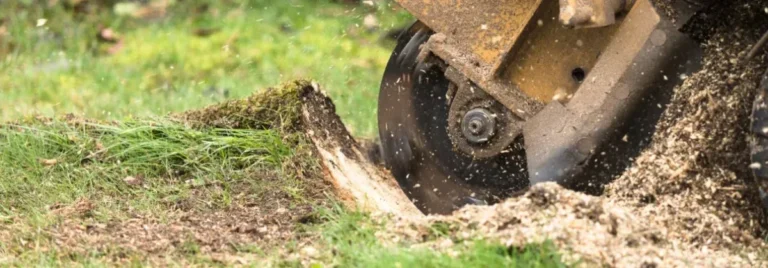
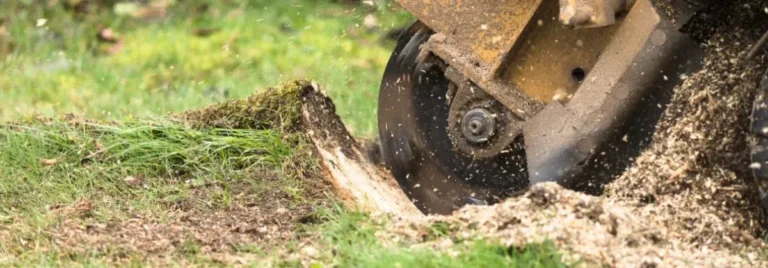
Stump grinding removes the part of the tree that stays above the soil after tree removal. It also cuts into the upper stump area below the surface. On the client site, stump grinding goes 6 to 10 inches below grade. That depth helps cut through the root ball area near the stump. It also leaves the spot lower and cleaner than a stump left in place.
A stump that stays in the yard can block mowing, collect insects, and make the area hard to use. Near a sewer route, that leftover wood can also make access harder if pipe work is needed later. Grinding the stump does not repair a damaged sewer line, but it clears the tree base and removes a major part of the old stump from the yard.
Space for Replanting or Sodding
After stump grinding, the yard has more open space for fresh grass or a new planting plan. The client site notes that this service can make room for replanting or sodding. That matters after a tree comes down and leaves a rough area behind. A stump left in place can turn the spot into a dead zone that stays hard to use. It can also leave a raised area that gets in the way of foot traffic and lawn care.
Grinding helps level the site and clears the main wood mass near the surface. That gives the yard a cleaner look and a better base for new sod. It also helps homeowners use the space again without working around an old stump every time they mow or clean up.
Tree Trimming and Emergency Service Can Protect the Area
Weak Limbs Near the Sewer Route
Weak limbs can create problems around a sewer line, even if the pipe sits underground. Large branches hang over yards, driveways, and side areas where sewer cleanouts or access points may sit. If a limb cracks and falls, it can block the path to that area. It can also damage fences, parked vehicles, or parts of the yard above the line. Tree trimming helps remove dead, split, or heavy limbs before they drop. That keeps the area more open and easier to use.
It also helps reduce extra weight in parts of the canopy that lean over the house or service path. Trimming does not fix a pipe break, but it can lower the chance of branch damage that makes the sewer work harder. A clear work area helps crews move around the property with less trouble.
Storm Damage That Blocks Cleanup
Storm damage can turn a pipe problem into a larger mess. Heavy wind or ice can bring down limbs, split trunks, or scatter debris across the yard. That damage may block the path from the house to the street, where the sewer line often runs. It can also cover a cleanout or make it hard for a plumber to bring in tools and inspect the line. Emergency tree service helps clear fallen wood and remove damaged tree parts after a storm.
That work can restore access to the area and help the property feel more usable again. Fast cleanup also helps stop more strain on nearby trees that may still hang loose after the storm. When the yard is clear, it is much easier for the next crew to check the sewer line and handle pipe repairs.
Call The Tree Guy Services LLC for Tree Work Near Sewer Lines
A sewer line problem can point back to the trees in your yard. The best next step is to act on the part that a tree company can handle. Remove a risky tree near the pipe path. Grind the stump after removal. Trim weak limbs that could add more stress during storms. Keep a plumber on the pipe side of the work.
The Tree Guy Services LLC helps homeowners deal with tree growth, stump issues, and storm damage around older properties. If root-heavy trees keep causing trouble near your line, we can help with safe tree work. Visit us at 6000 Draper Rd, Jackson, Michigan 49201, or call (517) 200-9478 for tree removal, trimming, stump grinding, and emergency service.